Before You Drive I-70 Into the Mountains This Summer: CDOT's Complete 2026 Road Condition and Timing Guide
Mountain travel season is coming, and Colorado Department of Transportation officials are urging drivers heading into the high country to plan ahead. Road conditions, construction schedules, and weather patterns will shape when and how you can safely drive the mountain corridors, and CDOT has released guidance to help commuters and summer travelers time their trips.
The agency emphasized that understanding project timelines and current conditions before you head out is essential to avoiding delays, detours, and safety risks on major routes into the mountains.
What's Happening on the Mountain Corridors
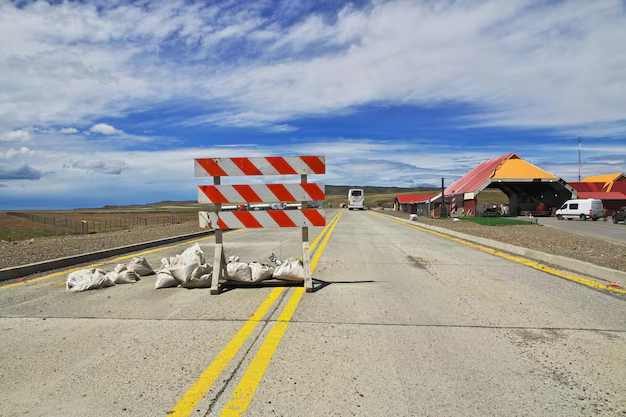
Construction and maintenance work on mountain routes will continue through the summer months. Officials said drivers should expect lane closures, reduced capacity, and potential delays on key passages during peak travel periods. Weather also plays a role—spring runoff, afternoon thunderstorms, and occasional snow in higher elevations can change conditions rapidly, even in summer.
CDOT advises checking current conditions and project schedules before departing. Road work often intensifies during daylight hours and may ease during evening and early-morning windows, though this varies by location and project phase.
How to Plan Your Timing
Summer weekends and holidays bring the heaviest traffic to mountain routes. Peak travel hours typically cluster in late morning through afternoon as residents and tourists head uphill, with return traffic heaviest on Sunday afternoons and evenings.
If you have flexibility with your schedule, traveling during off-peak hours—early morning, late evening, or weekday trips—can help you avoid the worst congestion. The transportation department said drivers should also factor in extra time for potential construction delays and weather-related slowdowns.
Real-time traffic and road condition updates are available through CDOT's public information channels. Checking before you leave gives you the chance to adjust your route or departure time if major work or incidents are reported.
Road Conditions and Safety Considerations
Mountain weather changes faster than on the plains. Even during summer, higher elevations can see sudden weather shifts. Drivers should carry emergency supplies—water, blankets, a phone charger, and first-aid basics—particularly if traveling in the afternoon when thunderstorms are possible.
Tire condition and vehicle maintenance become more critical at elevation. Officials recommended that drivers check tire tread, brakes, and fluid levels before heading up. Overheating is also a risk on steep grades, especially in older vehicles or those towing trailers.
Construction zones require extra caution. Lane shifts, reduced shoulders, and equipment movement create hazards. Slow down in work areas, maintain distance from other vehicles, and avoid distracted driving where crews are active.
What CDOT Wants Drivers to Know
The transportation department said the 2026 season will see ongoing efforts to improve safety and capacity on major mountain corridors. Projects are scheduled with summer travel in mind, but delays and conflicts between maintenance windows and peak traffic are sometimes unavoidable.
Patience and advance planning make a real difference. Leaving earlier than you think necessary, checking conditions before you go, and staying alert to changing road and weather patterns are the best ways to reach your destination safely. Officials also urged drivers to avoid aggressive driving and speeding, which become more dangerous on winding mountain grades.
For families and groups, splitting longer drives into shorter legs with rest stops reduces fatigue and keeps everyone alert. If you're unfamiliar with the route, reviewing it beforehand and downloading offline maps can prevent confusion at critical junctions.
This summer, mountain travel doesn't have to mean white-knuckle stress. Stay informed, leave early, drive defensively, and respect the conditions. CDOT's planning is designed to keep the corridors moving, but every driver's choices matter too.