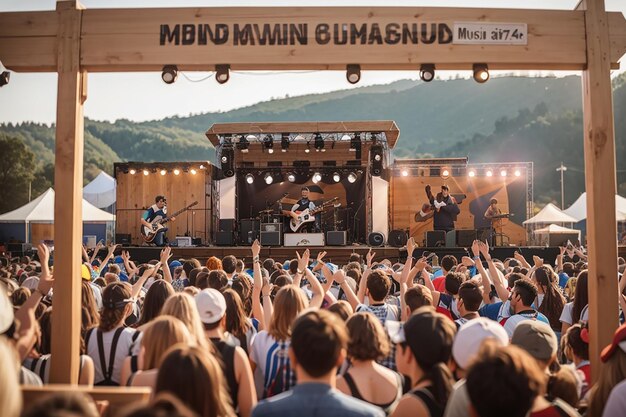
Aurora Fest and Juneteenth Music Festival Kick Off Denver's Outdoor Event Season — Here's the Weather Playbook
If you're planning to attend Aurora Fest or the Juneteenth Music Festival as Denver's outdoor event season launches, understanding the typical spring-to-early-summer weather pattern will help you pack right and time your arrival. Both festivals mark the start of a busy calendar for outdoor gatherings across the metro area, and conditions at this time of year can shift quickly.
Denver and its surrounding communities sit on the high plains at elevation, a geography that creates distinctive seasonal weather. Late spring in the region typically brings warm daytime conditions, but afternoons can turn active with thunderstorm potential. The air is still relatively dry compared to summer months, but moisture begins flowing in from the south as the season progresses. Planning around these patterns makes the difference between an enjoyable festival day and one spent huddling under a tent.
What to Expect During Festival Season
As the calendar moves into late spring and early summer, Denver-area afternoons warm considerably, and outdoor crowds grow. Forecasters typically warn of afternoon and evening thunderstorm activity during this transition period, driven by heating and moisture convergence. These storms can develop quickly, bring gusty winds, and produce heavy rain in a short window. They're rarely long-lasting, but timing matters if you're outdoors for hours.
Morning conditions tend to be calmer and cooler. If you're attending an all-day festival, arriving early often means catching the most comfortable part of the day before afternoon heating kicks in. The sun is strong at this elevation, so sunscreen and a hat are practical necessities even on partly cloudy days.
Humidity levels, while not as oppressive as summer, begin creeping upward. The combination of warmth and moisture makes afternoons feel warmer than the actual air temperature. Wind is also a factor on the plains—gusts are common, particularly in the afternoons, and can affect tent stakes, loose items, and how you feel temperature-wise.
Planning for Spring Storms
The biggest weather wildcard during festival season is afternoon thunderstorm potential. Denver's location on the eastern slope of the Rocky Mountains makes it a natural focal point for storm development. Warm, moist air from the south collides with cooler air aloft and terrain influences, creating conditions for afternoon convection.
Storms in this season tend to form in the afternoon and early evening hours. They can be isolated or scattered, meaning one part of a festival grounds might see rain while another stays dry. Wind gusts, hail, and lightning are the primary hazards. Most storms move through relatively quickly, but they can interrupt outdoor activities.
Checking forecasts in the morning before heading out gives you the best sense of storm odds that day. If afternoon storm potential is significant, plan your festival itinerary accordingly—catch the main acts early if possible, or position yourself near shelter. Many festival organizers account for this pattern and have contingency areas or canopy coverage.
Dress for Layering and Change
Spring-to-summer weather in Denver demands flexible clothing. Morning temperatures can be cool, especially if there's cloud cover or wind. By afternoon, the sun warms you quickly, particularly at elevation where the UV index is higher. By evening, especially if storms pass through, temperatures can drop again.
Lightweight layers you can add or remove work better than a single heavy jacket. Closed-toe shoes are smarter than sandals if afternoon storms might muddy the grounds. A light rain jacket or poncho takes up little space in a pack and solves the problem if showers arrive. Sunglasses, a cap, and sunscreen are as important as any other gear.
Wind can be persistent, so avoid anything that won't stay secured. Loose hats, lightweight blankets, or unsecured canopies become liabilities on the plains, where gusts are routine.
The Bottom Line for Festival Planning
Aurora Fest and the Juneteenth Music Festival open Denver's outdoor season during a weather-active time. Spring storms, variable temperatures, and strong sun characterize the period. Arriving early in the day, checking the forecast before you go, dressing in layers, and keeping an eye on the sky are the practical moves that let you focus on the music and the crowd. The good news: most of these storms are brief, and the mild, energetic feel of late spring makes outdoor festivals appealing in the first place.